

The wrong grout color can make even the most expensive tiles look cheap, while the right one can turn a basic tile job into a design statement. It’s one of the smallest decisions in any renovation, and yet it has an outsized impact on how a space looks and feels for years to come.
Most people spend weeks choosing tiles and barely five minutes choosing grout color, treating it as an afterthought rather than a design decision. But grout lines cover more visual surface area than people realize, especially with smaller tiles, and getting the color wrong can throw off an otherwise perfect design. Here’s how to think through this decision properly.
Why Grout Color Matters More Than You Think
Grout isn’t just a functional gap-filler between tiles — it’s a visible design element that frames every single tile in the room.
The Visual Impact of Grout Lines
With standard-sized tiles, grout lines can account for a noticeable percentage of the total visible surface, especially with mosaic or small-format tiles where grout lines are more frequent. This means grout color isn’t a minor detail — it actively shapes the overall look of the space.
Grout Color Can Make or Break a Design
The same tile can look completely different depending on grout choice. A crisp white subway tile with dark charcoal grout reads as bold and modern, while the same tile with white grout looks soft and seamless. Neither is wrong — but they create entirely different moods.
Matching vs Contrasting: The Two Core Approaches
Every grout color decision essentially comes down to one choice: blend in or stand out.
When to Match Grout to Tile Color
Matching grout color closely to the tile creates a seamless, uniform look that makes spaces feel larger and more cohesive. This approach works particularly well in smaller rooms like bathrooms, where visual continuity helps the space feel less cramped.
When to Choose a Contrasting Grout
Contrasting grout defines each tile individually, creating a more graphic, deliberate pattern. This works well for statement floors, geometric tile layouts, or spaces where you want the tile pattern itself to be a design feature rather than a background texture.
Light Grout vs Dark Grout: Weighing the Trade-Offs
Beyond matching and contrasting, the light-versus-dark decision has real practical implications beyond aesthetics.
The Case for Light Grout
Light grout colors like white, cream, or light gray tend to make spaces feel brighter and more open, and they work well with a wide range of tile colors without competing for attention. However, light grout shows dirt, stains, and discoloration more easily over time.
The Case for Dark Grout
Dark grout, such as charcoal or black, hides dirt and stains far better, making it a practical choice for high-traffic areas like kitchen floors or commercial spaces. The trade-off is that dark grout can make smaller spaces feel more closed in if not balanced carefully with lighting and tile choice.
Choosing Grout Color for Specific Spaces
Different rooms have different practical demands, and grout color should account for how the space actually gets used.
Bathrooms and Wet Areas
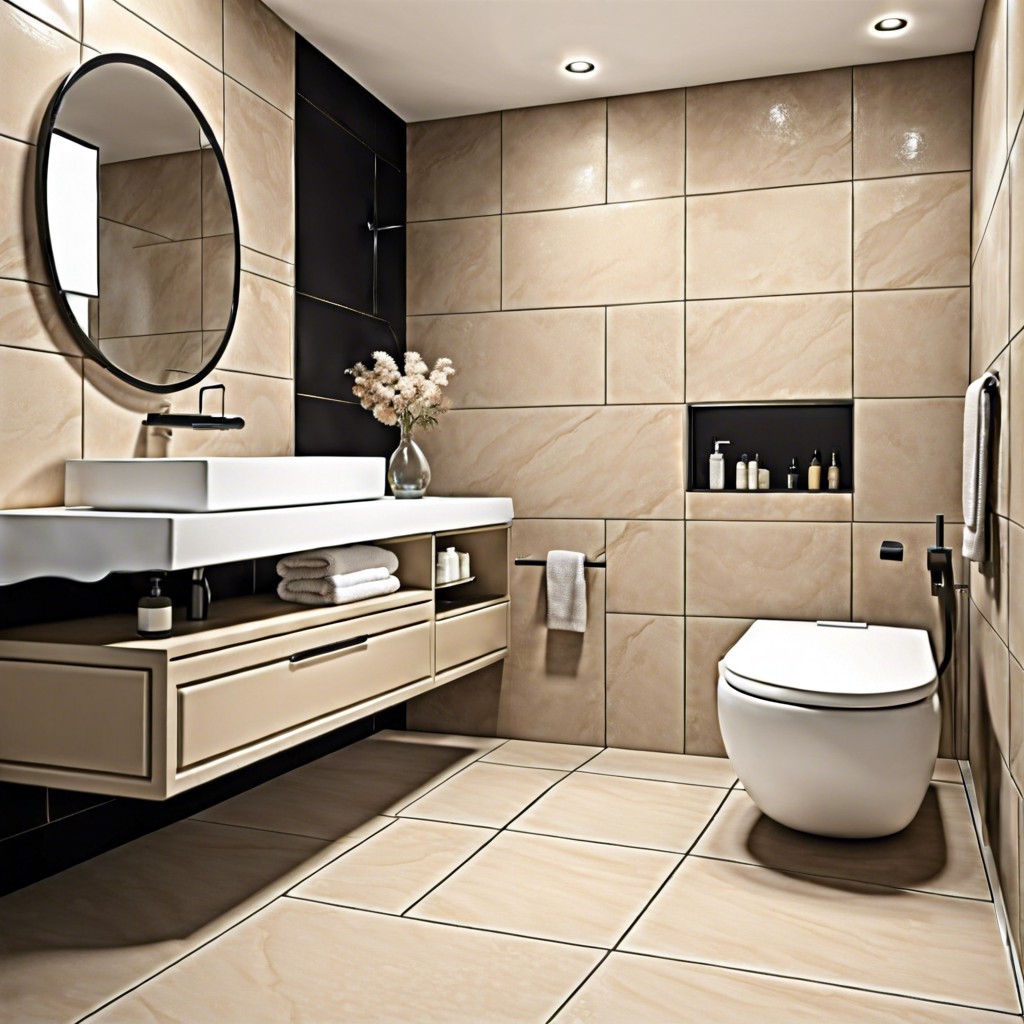
For bathrooms, a slightly deeper grout tone than pure white is often more practical, since it resists the mildew-related discoloration that shows up quickly in constantly damp environments. Epoxy grout’s non-porous nature helps here too, since it resists staining better than cement grout regardless of color chosen.
Swimming Pools and Outdoor Spaces
Pool grout benefits from mid-to-dark tones that can handle constant water exposure, sunlight, and chemical treatment without showing wear as visibly as lighter shades would over time.
Kitchens and High-Traffic Commercial Floors
For kitchens and commercial flooring, mid-tone grays or earth tones strike a practical balance — dark enough to hide daily wear, light enough to avoid feeling heavy underfoot in large spaces.
How Lighting Affects Grout Color Perception
A grout color that looks perfect in a showroom can look completely different once installed, and lighting is usually why.
Natural vs Artificial Light
Grout colors shift noticeably under different lighting conditions — a warm-toned grout can look yellowish under cool LED lighting, while a cool-toned gray can look flat under warm incandescent bulbs. Always test grout samples in the actual space, under the actual lighting, before finalizing a decision.
Testing Before Committing
Ordering small grout samples and applying them next to your tile in the actual room, at different times of day, is the only reliable way to know how a color will really look once installation is complete.
Grout Color and Long-Term Maintenance
Color choice doesn’t just affect appearance on day one — it affects how much maintenance the space needs going forward.
Colors That Age Well
Mid-tone grays, taupes, and warm neutrals tend to age more gracefully than pure white or pure black, since they hide minor wear and slight color variation better over years of use.
Why Epoxy Grout Holds Color Better Than Cement
Regardless of the color chosen, epoxy grout resists fading, staining, and discoloration far better than cement-based grout, since its non-porous composition prevents dirt and moisture from penetrating and altering its appearance over time.
Conclusion: Making a Decision That Lasts
Choosing the right grout color isn’t just a finishing touch — it’s a decision that shapes how a space looks and how much upkeep it demands for years to come. Whether you lean toward a seamless matching look or a bold contrasting statement, the right color depends on your space, its lighting, and how it will actually be used day to day.
Pairing the right color with durable epoxy grout ensures that whatever look you choose stays true to its original appearance far longer than standard cement grout ever could.
Not sure which grout color and type is right for your space? Get in touch with our team for expert guidance and professional installation.


